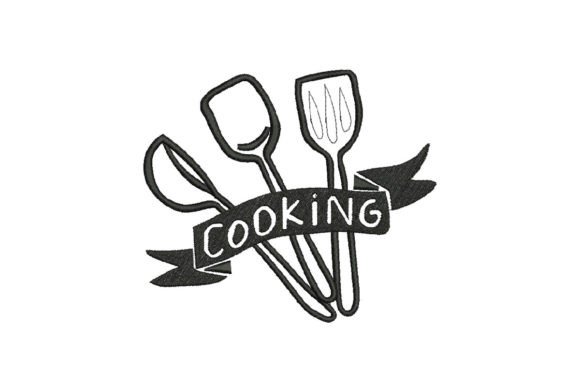
Cooking Kitchen Embroidery: A Designer’s Review
As an embroidery designer who has spent years digitizing patterns and consulting with small clothing brands, I approach every new machine embroidery design with a critical eye. It is not just about whether the file opens correctly; it is about how that design translates onto fabric, how it feels to the touch, and ultimately, how it sells. Recently, I had the opportunity to test the Cooking Kitchen Embroidery design for a limited-edition sweatshirt drop for a boutique client. This review breaks down my professional assessment of this Cooking Tools Embroidery Design, focusing on its application in commercial apparel and home decor.
First Impressions: Mood and Aesthetic Appeal
The first thing that strikes you about the Cooking Kitchen Embroidery is its versatility. In an industry saturated with generic motifs, this design manages to strike a balance between playful and rustic. For a boutique brand aiming to capture the "cozy home" aesthetic, this is gold. The layout suggests a collection of culinary essentials, which immediately evokes feelings of warmth, hospitality, and creativity.
When I loaded the digital embroidery file into my software to preview the stitch path, I was looking for complexity without chaos. A good embroidery file should have clear definition. This design appears to offer enough detail to be interesting up close but remains legible from a distance. This is crucial for sweatshirt embroidery, where the fabric texture can sometimes swallow up fine details. The mood is distinctly casual yet curated, making it suitable for both a high-end kitchen towel and a trendy oversized hoodie.
Application on Sweatshirts and Hoodies
My primary test case was a premium, heavy-weight cotton sweatshirt. The Cooking Kitchen Embroidery was placed on the left chest area, a standard spot for boutique branding. On neutral tones like oatmeal, sage green, or charcoal, the design popped beautifully. The contrast between the thread colors and the fabric background is key here. For darker fabrics, I recommend using lighter, cream-based thread palettes to ensure the cooking tools remain visible. On pastel colors, a monochromatic or tonal thread choice creates a subtle, sophisticated look that appeals to buyers seeking minimalism.
For oversized hoodies, I experimented with a larger scale placement on the back. The design held up surprisingly well. The stitch density seemed appropriate for the thicker fabric of a hoodie, providing enough coverage to look substantial without creating a stiff, cardboard-like patch. This is a common pitfall in commercial embroidery; if the density is too high, the garment loses its drape. This design felt balanced, maintaining the softness of the fleece while adding a decorative focal point.
Sleeve Accents and Detailed Placement
Beyond the chest and back, this Cooking Tools Embroidery Design works exceptionally well as a sleeve accent. Small, repeated icons or a single compact element from the design can be embroidered near the cuff. This adds a level of custom detail that elevates a basic garment into a handmade product worth a higher price point. For Etsy sellers and small shop owners, these small details are what drive customer engagement and justify premium pricing.
Technical Considerations for Production
From a technical standpoint, there are several factors any embroidery designer or apparel decorator must consider before running a production batch. While the visual appeal is strong, the mechanics of stitching determine the longevity of the finished product.
- Fabric Texture and Stabilizer: Sweatshirts and towels have different textures. For looped terry cloth towels, a cut-away stabilizer is essential to prevent puckering. For sweatshirts, a tear-away might suffice depending on the stretch, but given the likely density of a kitchen-themed design, a light cut-away ensures the design remains flat and durable through multiple washes.
- Thread Color Contrast: The success of this design relies heavily on your thread choices. Since it features various cooking tools, using distinct colors for each element helps define the shapes. However, avoid neon or overly bright threads if you are aiming for a rustic or vintage vibe. Earth tones, muted reds, and slate blues work best.
- Small-Size Readability: If you plan to shrink this design for pocket placements or baby onesies, check the smallest elements. Fine lines in whisk handles or spatula edges may merge if scaled down too far. Always run a test stitch-out on your specific hoop size and fabric combination.
- Washing Durability: Kitchen items and apparel undergo frequent washing. Ensure your tension settings are optimized to prevent thread breakage. A well-digitized design should withstand industrial laundering without significant distortion.
It is important to note that while I reviewed the visual and structural potential of the Cooking Kitchen Embroidery, I did not have access to the exact stitch count or specific file formats in this overview. As a professional, I always remind fellow creators to verify these technical specs in the product description before purchasing. Check whether the embroidery file includes the formats compatible with your machine (such as PES, DST, or JEF) and confirm the recommended hoop dimensions.
Boosting Brand Identity and Product Value
For small clothing brands and creative entrepreneurs, the right design asset does more than decorate a garment; it builds brand identity. The Cooking Kitchen Embroidery taps into the popular "cottagecore" and home-chef trends. By incorporating this design into your lineup, you are not just selling a sweatshirt; you are selling a lifestyle.
When photographing these items for Etsy listings or your own website, the embroidery adds texture and depth that flat prints cannot achieve. Use printable mockup tools to visualize the design on various products, but always follow up with real-life photos. The sheen of the thread against the matte fabric creates a tactile appeal that increases buyer trust. Customers can see the quality of the stitches, which reassures them of the item's value.
Furthermore, this design is not limited to apparel. As noted in the product description, you can embroider this on tablecloths, aprons, and kitchen towels. This allows for cross-merchandising. A customer buying a hoodie might also purchase a matching set of embroidered kitchen towels, increasing your average order value. This versatility makes the Cooking Kitchen Embroidery a smart investment for diversifying your design assets.
Final Verdict for Boutique Owners
In conclusion, the Cooking Kitchen Embroidery is a robust choice for anyone looking to add a touch of whimsical warmth to their product line. It bridges the gap between functional kitchen decor and fashionable apparel. For the boutique brand owner, it offers a ready-made solution for creating cohesive collections. For the handmade business owner, it provides a professional-looking design that requires minimal customization to look high-end.
Whether you are creating a cozy seasonal apparel line or updating your home decor offerings, this design holds up under scrutiny. It feels premium when executed with care, yet retains a playful, approachable charm. Just remember to test your stabilizer choices and thread contrasts on your specific materials. With the right preparation, this machine embroidery design can become a staple in your shop, driving sales and enhancing your reputation for quality custom apparel and decor.