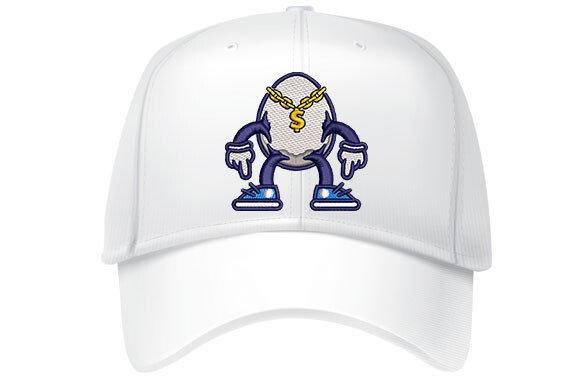
Funny Egg Embroidery: A Designer’s Holiday Review
As an embroidery designer who spends countless hours digitizing and testing patterns for seasonal collections, I am always on the lookout for designs that strike the perfect balance between whimsy and wearability. When I first loaded the Funny Egg Embroidery design into my software, my immediate reaction was one of delight. It is not just a graphic; it is a mood setter. In the crowded marketplace of holiday products, standing out requires more than just standard snowflakes or generic greetings. You need personality. This cool and simple embroidery design is here to help you create striking items that resonate with buyers looking for something fresh, playful, and undeniably cute.
The First Impression: Playful Charm Meets Seasonal Versatility
The aesthetic of Funny Egg Embroidery leans heavily into a playful, modern vibe. It does not try to be overly ornate or traditional, which is exactly why it works so well for contemporary holiday shoppers. The emotional tone is lighthearted and nostalgic, reminiscent of childhood Easter hunts or cozy family breakfasts, yet it translates surprisingly well across various seasons. While eggs are traditionally associated with spring, the "funny" aspect allows this design to pivot into year-round humor or even specific holiday themes when paired with the right color palettes.
For an Etsy seller or small business owner, this versatility is gold. You are not limited to a two-week sales window. You can market this as a spring revival piece, a humorous birthday gift, or a quirky addition to a kitchen decor line. The detail level is moderate, avoiding the pitfalls of excessive micro-stitching that can plague complex digital embroidery files. This simplicity ensures that the design remains legible and impactful, whether it is stitched onto a large tote bag or a smaller accessory.
Strategic Product Placement for Maximum Sales
When planning a seasonal shop collection, context is everything. I tested the visual potential of Funny Egg Embroidery across several product categories within the Accessories and Embroidery realms. Here is how I envision this design performing in real-world selling situations:
- Sweatshirt Embroidery: Placing this design on the left chest of a oversized crewneck creates an instant bestseller. The contrast of a silly, cute egg against the cozy texture of fleece appeals to buyers seeking comfortable, humorous loungewear for holiday gatherings.
- Tote Bag Design: Canvas totes are staples for handmade gift markets. The bold lines of the design hold up well against the weave of canvas fabric, making it a practical and eye-catching choice for grocery runs or beach days.
- Kitchen Towel Embroidery: This is perhaps the most natural fit. A set of flour sack towels featuring this design makes for an excellent personalized gift for housewarmings or hostess presents. The simplicity of the stitch pattern ensures it survives repeated washing without losing its shape.
- Embroidered Patch: If you offer iron-on or sew-on patches, this design is ideal. It allows customers to customize their own jackets, jeans, or backpacks, adding a layer of interactivity to your product offering.
- Pillow Cover and Home Decor: For a touch of whimsy in living spaces, stitching this onto a neutral linen pillow cover creates a charming accent piece that feels both rustic and modern.
By diversifying where you apply this machine embroidery design, you increase the perceived value of your shop. You are not just selling a file; you are selling a lifestyle element that fits into multiple areas of a customer's home and wardrobe.
Navigating Technical Challenges in Production
While the design is charming, practical execution requires attention to detail. As a designer, I must advise caution in specific scenarios to ensure your finished product looks professional. The success of any embroidery project relies heavily on the interaction between the thread, the fabric, and the stabilizer.
First, consider the hoop size. While the design is described as simple, you must confirm the exact dimensions before purchasing or stitching. If you are aiming for tiny lettering or intricate details within the egg’s expression, ensure your machine can handle the resolution at that scale. On thick towels or plush sweatshirts, using the correct stabilizer is non-negotiable. A cut-away stabilizer is often recommended for garments that will be washed frequently, while a tear-away might suffice for stable woven fabrics like tote bags.
Be mindful of stitch density. If the design has dense fill areas, it may pucker lightweight fabrics. Always test stitch on a scrap piece of your actual production fabric. Additionally, when working with dark fabric, you may need to adjust your thread colors or use an underlay to ensure the vibrant hues of the egg pop against the background. Metallic threads can add a festive shine but require slower stitching speeds and careful tension adjustments to prevent breakage.
Curved surfaces, such as caps and hats, present another challenge. The distortion inherent in sewing on a curved brim can warp simple designs if not hooped correctly. Use a cap frame and ensure the design is centered perfectly to maintain the comedic timing of the "funny" expression. If the face of the egg gets distorted, the joke is lost, and the product value drops.
Enhancing Seasonal Appeal and Buyer Emotion
In the holiday shopping period, buyers are driven by emotion. They are looking for gifts that convey warmth, humor, and thoughtfulness. Funny Egg Embroidery taps into the joy of unexpected humor. It breaks the monotony of serious, traditional holiday decor. This emotional connection drives engagement on social media platforms where visual recognition is key. A well-lit photo of this design on a soft, textured garment stops the scroll.
For brand consistency, this design allows you to maintain a playful voice across your product line. Whether you are creating family matching items for a holiday photo shoot or limited edition apparel for a craft fair, the cohesive look of this embroidery helps build trust. Customers recognize the quality and the unique style, encouraging repeat purchases.
Furthermore, the giftability factor is high. Because the design is approachable and not overly niche, it appeals to a wide demographic. It works as a standalone item or as part of a gift bundle. Imagine pairing an embroidered tote with a matching kitchen towel set. The perceived value increases, and you move more inventory per transaction.
Practical Notes for the Professional Creator
Before you launch your seasonal campaign with this design, take these final steps to ensure professionalism:
- Test Thread Colors: Create a physical sample book. See how pastel threads look on white versus how bright primaries look on navy. Document these combinations for your printable mockup and marketing materials.
- Check Licensing: Always confirm the commercial license terms of the digital embroidery file. Ensure you have the rights to sell the finished product on platforms like Etsy or at local markets.
- Review Small Details: After stitching your test sample, inspect the eyes and mouth of the egg. Are the satin stitches smooth? Are there any jumps or loose threads? Quality control is what separates amateur hobbyists from professional shops.
- Create Realistic Mockups: Use high-quality photos of your stitched samples rather than just digital renderings. Show the texture of the thread and the drape of the fabric. This transparency builds customer trust and reduces return rates.
In conclusion, Funny Egg Embroidery is a robust addition to any designer’s library. It offers the flexibility needed for diverse product lines while maintaining a distinct, cheerful character. By paying attention to technical details like stabilizer choice and hoop placement, you can transform this simple design into a premium, high-demand item. Whether you are decorating aprons, baby items, or table linens, this design invites joy into everyday objects, making it a smart choice for your next seasonal drop.