Cup Embroidery Design: A Designer’s Practical Review
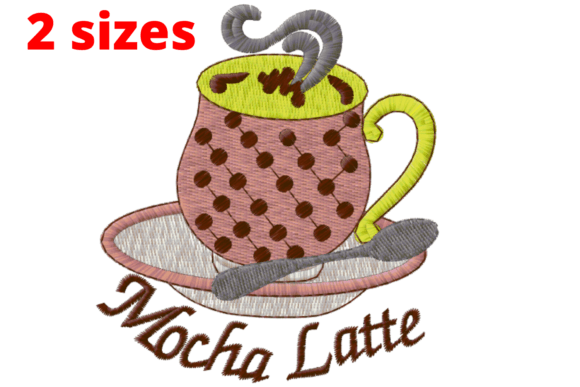
As a designer who has spent countless hours digitizing and testing machine embroidery files, I approach every new machine embroidery design with a critical eye. It is not just about whether the image looks cute on a screen; it is about how that design translates into thread, how it behaves on fabric, and ultimately, how it adds value to a finished product. Recently, I evaluated the Cup Embroidery Design, a romantic motif featuring a Mocha Latte cup, to determine its viability for real-world projects. This review breaks down my observations from a technical and aesthetic perspective, specifically for embroidery designers, Etsy sellers, and craft business owners looking to expand their Kitchen or lifestyle collections.
First Impressions: Mood and Visual Personality
The first thing that strikes you about this embroidery file is its warmth. The concept of a Mocha Latte cup inherently carries a cozy, inviting mood, which aligns perfectly with current trends in home decor and personalized apparel. The layout appears balanced, avoiding the clutter that often plagues complex digital assets. For a designer, this simplicity is a strength. It suggests that the digitizer prioritized stitch clarity over excessive detail, which is crucial for maintaining integrity during the stitching process.
The visual personality of the Cup Embroidery Design leans towards the romantic and artisanal. It does not scream for attention with neon brightness or aggressive outlines; instead, it invites a closer look. This subtlety makes it versatile. It can serve as a central focal point on a minimalist tote bag or act as a charming accent on a larger composition. When I visualize this design, I see it fitting seamlessly into a boutique brand that values comfort, nostalgia, and handmade quality.
Real-World Application: From Screen to Stitch
To truly test a design, you must imagine it in situ. I recently worked on a project for a client who runs a small shop selling custom kitchenware and apparel. We were looking for a design that could bridge the gap between functional Kitchen items and wearable art. The Cup Embroidery Design emerged as a strong candidate for several specific applications.
Consider a high-quality cotton tote bag. The flat surface provides an ideal canvas for the design’s shape. Using a combination of satin stitch for the cup’s rim and handle, and a fill stitch for the body of the cup, the design holds up well against the texture of canvas fabric. The romantic theme pairs beautifully with natural fiber tones like oatmeal, sage green, or soft terracotta. In this context, the design transforms a simple grocery carrier into a stylish accessory, increasing the perceived value of the handmade product.
Another practical application is sweatshirt embroidery. Here, the design’s scale becomes critical. Placed on the left chest area, the Mocha Latte cup acts as a subtle branding element or a personal statement. However, on a sweatshirt, the fabric’s pile can obscure fine details. My assessment suggests that this design works best here if the digitization avoids overly thin running stitch elements that might get lost in the fleece. For a bolder look, placing it on the back of a crewneck allows for a larger hoop size usage, letting the curves of the cup breathe without crowding.
Apparel and Accessories Beyond the Kitchen
While categorized under Kitchen, limiting this design to aprons and towels would be a missed opportunity. I see significant potential in custom apparel such as t-shirts and baby clothes. For baby embroidery, the soft, rounded lines of the cup are safe and appealing. Imagine this stitched onto a muslin swaddle or a onesie using pastel thread colors. It creates a gentle, gender-neutral aesthetic that appeals to modern parents looking for unique, non-commercial personalized gift options.
Furthermore, the design adapts well to an embroidered patch. Patches have surged in popularity among crafters and small business owners. By adding a merrowed border or a simple satin edge, the Cup Embroidery Design can become a standalone asset. Customers can then iron or sew these patches onto denim jackets, backpacks, or hats, offering a modular way to engage with your brand. This versatility is key for maximizing the ROI of a single digital embroidery file.
Technical Considerations and Stitching Performance
No design is universal, and honest evaluation requires identifying where caution is needed. The performance of the Cup Embroidery Design depends heavily on stitch density and fabric choice. If you are working with textured fabrics, such as waffle-knit towels or rough linen, ensure that the stitch count is sufficient to cover the base material. Gaps in coverage can look unprofessional and detract from the finished product’s quality.
Conversely, when stitching on thin or stretchy fabrics, such as jersey knits for t-shirts, proper stabilization is non-negotiable. I recommend using a cut-away stabilizer for garments that will undergo frequent washing, as this prevents the design from puckering over time. For woven fabrics like cotton aprons, a tear-away stabilizer may suffice, but always test on scrap fabric first. This step is vital for maintaining stitching clarity and ensuring the design lays flat.
One area requiring careful attention is the handling of small details. If the design includes steam lines or intricate latte art patterns, verify that these elements are not too fine for your machine’s needle size. On curved surfaces like caps, the design must be centered precisely to avoid distortion. While the cup shape is relatively forgiving, asymmetrical elements can look skewed if the hooping is not tight and even. Always check the alignment before starting the full production run.
Enhancing Brand Value and Customer Trust
For Etsy sellers and creative entrepreneurs, the choice of design directly impacts brand consistency. The Cup Embroidery Design exudes a level of professionalism that builds customer trust. It does not look like a generic clip-art conversion; it feels intentional. When customers receive a product with clean, well-digitized embroidery, they are more likely to leave positive reviews and return for future purchases.
Moreover, this design supports effective marketing through printable mockup creation. Because the shape is recognizable and aesthetically pleasing, it photographs well. You can create compelling social media content by showcasing the design on various items—aprons, mugs (via sublimation pairing), or tote bags. This visual versatility helps in creating a cohesive design assets library for your shop, making it easier to launch seasonal collections, such as holiday embroidery themes for winter or Valentine’s Day.
Final Verdict and Practical Advice
In conclusion, the Cup Embroidery Design is a robust addition to any designer’s library, particularly for those focusing on lifestyle, kitchen, and casual apparel markets. Its romantic theme and balanced composition make it suitable for a wide range of commercial embroidery projects. However, success lies in the execution.
- Test Before You Sell: Always stitch out a sample on your intended fabric. Check for thread breaks, tension issues, and color contrast.
- Check Licensing: Before using this design in small shop product lines, confirm the license terms. Ensure you have the right to sell finished items or if restrictions apply to digital redistribution.
- Optimize Thread Colors: Experiment with different palettes. A monochromatic scheme can look sophisticated, while contrasting colors can highlight the latte art details.
- Consider the Hoop Size: Ensure the design fits comfortably within your standard hoop sizes to minimize re-hooping and alignment errors.
By treating this embroidery project with the technical respect it deserves, you can create high-quality, desirable items that resonate with customers. Whether you are creating a tote bag design for a local market or a line of custom apparel for an online store, the Cup Embroidery Design offers the flexibility and charm needed to stand out in a crowded marketplace.