Reviewing the Cute Unicorn Embroidery Design for Real Projects
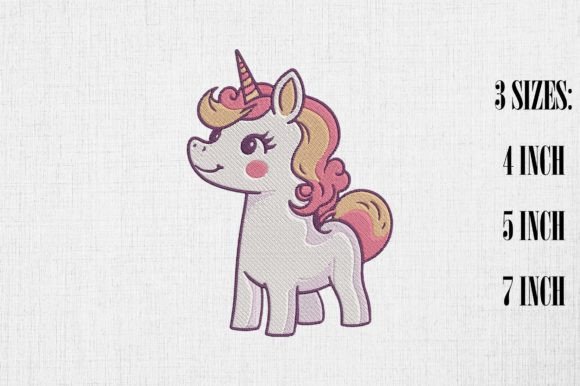
As a designer who spends more time staring at stitch maps than actual fabric, I have learned that not every machine embroidery design translates well from screen to thread. We have all been there: you download a file that looks adorable in the preview, only to find it turns into a tangled mess of bird’s nests on your hoop. That is why I approach every new asset with a critical eye. Recently, I pulled up the Cute Unicorn Embroidery Design to evaluate its potential for my current lineup of handmade goods. What I found was a charming piece that fits squarely into the Fairy Tales aesthetic, but like any good tool, it requires the right handling to shine.
First Impressions and Visual Personality
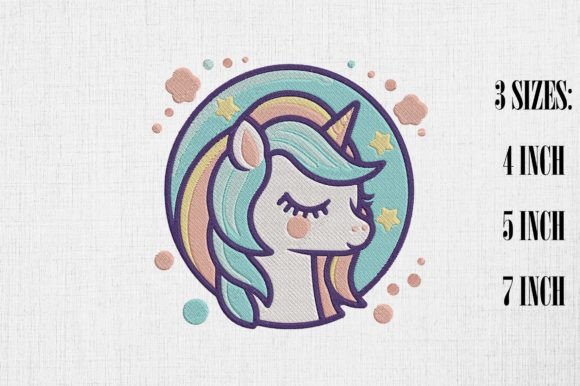
The first thing that strikes you about this embroidery file is its approachable simplicity. It does not try to be overly complex or photorealistic, which is often a trap for beginner-friendly designs. Instead, it leans into a stylized, whimsical look that feels modern yet timeless. The layout is balanced, with clean lines that suggest a mix of satin stitch borders and manageable fill stitch areas. This balance is crucial because it means the design will not take three hours to stitch out, nor will it require constant thread trimming.
The mood is undeniably cheerful. For anyone running a craft business focused on children’s items or whimsical home decor, this visual personality is a strong selling point. It feels light, airy, and inviting. However, as a reviewer, I look past the cuteness to assess structural integrity. The shapes are distinct, which suggests that even if the tension is slightly off, the overall image will remain recognizable. This is a vital trait for a digital embroidery file intended for commercial use, where consistency across multiple units is key.
Real-World Application: The Tote Bag Test
To truly understand how the Cute Unicorn Embroidery Design performs, I imagined a specific real-life scenario: creating a custom tote bag design for a spring market. Canvas tote bags are a staple for Etsy sellers and small shop products, but they present unique challenges due to their textured weave. I visualized placing this unicorn on a natural cotton canvas. Because the design avoids excessive tiny details that might get lost in the fabric grain, it holds up well visually.
I also considered its application on sweatshirt embroidery. Here, the plush texture of fleece or French terry can swallow up fine lines. This design’s bolder elements would likely pop nicely against a pastel hoodie, making it an ideal choice for custom apparel. It is not just about slapping a graphic on cloth; it is about ensuring the finished product looks professional. If I were producing these for a boutique, I would feel confident that the design adds value rather than looking like an afterthought.
Versatility Across Product Lines
One of the strongest assets of this design is its adaptability. The description notes that you can embroider this on clothes, baby’s onesies, home decor, t-shirts, tablecloths, kitchens, towels, and more. From a production standpoint, this versatility is gold. Let us break down where it works best:
- Baby Embroidery: Soft onesies and burp cloths are perfect candidates. The whimsical theme appeals directly to parents looking for a personalized gift.
- Kitchen Textiles: Imagine this on a flour sack towel. It transforms a basic item into a charming holiday embroidery piece or a year-round decorative accent.
- Home Decor: Pillow covers and nursery wall hangings benefit from the gentle aesthetic. It fits seamlessly into rooms designed around storybook themes.
- Accessories: While it could work on caps, curved surfaces require careful hooping. It is safer on flat items like aprons or tote bags unless you have significant experience with 3D puff or curved hooping techniques.
Technical Considerations and Stitch Density
While the design is appealing, we must discuss the technical side. The product description mentions it comes with multi formats, which is standard, but it does not specify exact stitch counts or density metrics. This is where your experience as a maker comes in. Before committing to a large batch of commercial embroidery orders, you must test the stitch density. If the fill areas are too dense, they can cause puckering, especially on lighter fabrics like cotton voile or thin t-shirt material.
I recommend checking how the design handles thread colors. Unicorns often imply pastels, but pastels can lack contrast on white fabric. You might need to adjust the color palette in your software to ensure the outline stands out. A running stitch border can help define edges without adding bulk. Always inspect the small details. Are there tiny isolated stitches that might pull out after washing? If so, consider merging them or simplifying the path in your editing software.
Fabric and Stabilizer Choices
The success of any embroidery project relies heavily on stabilization. For this unicorn design, I would advise using a cut-away stabilizer for stretchy fabrics like jersey knits used in t-shirts. For woven fabrics like tablecloths or tote bags, a tear-away might suffice, but only if the stitch count is low. If you notice the fabric pulling or distorting during a test run, switch to a heavier stabilizer or add a top stabilizer to protect the fabric surface.
Be cautious with dark fabrics. If you are stitching a light-colored unicorn on a navy sweatshirt, you may need an underlay or a backing patch to prevent the dark fabric from showing through the stitches. This is particularly important for maintaining the crisp, clean look expected in high-quality design assets.
Commercial Viability and Brand Consistency
For creative entrepreneurs, the question is always: will this sell? The Cute Unicorn Embroidery Design has strong marketability. It taps into the enduring popularity of mythical creatures while remaining simple enough to produce quickly. Speed matters in a small shop product line. If this design stitches out in under thirty minutes, it becomes a viable option for impulse buys at craft fairs.
However, brand consistency is key. If your shop focuses on minimalist, modern geometric designs, this whimsical unicorn might feel out of place. But if your brand embraces warmth, nostalgia, and playfulness, this design reinforces that identity. It builds customer trust because it looks intentional and well-executed. When customers see a clean, well-stitched unicorn on a handmade product, they perceive higher value. They are not just buying a towel; they are buying a piece of art.
Final Designer Notes and Best Practices
Before you list this as a new item in your store or use it for a client order, follow these practical steps:
- Test on Scrap Fabric: Never skip this. Use the same fabric type you intend to sell. Check for puckering, thread breaks, and color accuracy.
- Check Licensing: The description does not explicitly state commercial rights. Always confirm whether the license allows you to sell finished physical items. Most designers allow this, but some restrict digital resale. Clarify this before investing time.
- Mockup Testing: Create printable mockup images to see how the design looks on different backgrounds. Test it in black and white to ensure the shape is readable without color reliance.
- Hoop Size Confirmation: Ensure the design fits your available hoops. If it is close to the edge, leave extra margin for hooping errors.
- Customer Expectations: If selling online, provide clear photos of the actual stitching, not just digital renders. Show the texture and dimension to manage buyer expectations.
In conclusion, the Cute Unicorn Embroidery Design is a solid addition to any library of Fairy Tales themed Embroidery files. It is versatile, visually appealing, and practical for a wide range of personalized gift ideas. With proper testing and attention to fabric choice, it can become a reliable staple in your craft business inventory. Treat it with the respect any good tool deserves, and it will serve your creative vision well.