Reviewing Cute Kitty Cat Embroidery for Real Projects
As a designer who has spent countless hours digitizing, stitching, and troubleshooting machine embroidery design files, I approach every new asset with a mix of curiosity and caution. We have all been there: you download a file that looks adorable on the screen, only to find it turns into a tangled mess of thread once it hits the fabric. That is why I took a close look at Cute Kitty Cat Embroidery to see if it holds up in real-world applications. This isn’t just about whether the image is pretty; it is about whether it functions as a reliable tool for your craft business or personal projects.
First Impressions: Mood and Visual Personality
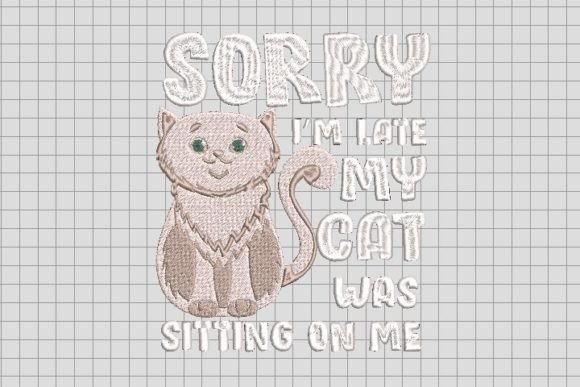
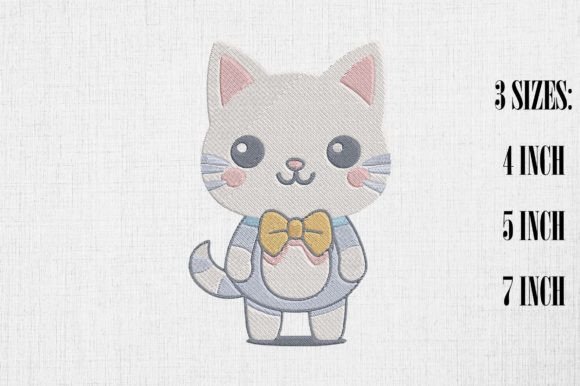
The first thing that strikes you about Cute Kitty Cat Embroidery is its approachable charm. In the world of Cats themed designs, there is often a tug-of-war between hyper-realistic portraits and overly simplistic clip-art styles. This design lands comfortably in the middle, offering a stylized yet recognizable feline figure that feels warm and inviting. The layout suggests a playful mood, making it an instant candidate for items meant to evoke comfort or joy.
From a structural perspective, the lines appear clean. For an embroidery project, clean lines are non-negotiable. They translate directly to stitch clarity. If the digital vector has jagged edges or ambiguous curves, the machine will struggle to interpret them, resulting in uneven satin stitches or gappy fill areas. Based on the preview, this design seems to prioritize smooth contours, which is a promising sign for the final finished product.
Real-World Application: Where This Design Shines
I recently considered using this design for a custom order involving a set of canvas tote bags for a local boutique. The client wanted something whimsical but professional. Cute Kitty Cat Embroidery fit the brief perfectly. Here is how I envision it performing across different mediums:
- Custom Apparel: On a sweatshirt or t-shirt, the design’s balanced proportions mean it won’t look too heavy on the chest or too small on the sleeve. It works well as a focal point for sweatshirt embroidery where you want a statement piece without overwhelming the garment.
- Baby Items: For baby embroidery on onesies or bibs, the soft aesthetic is ideal. Parents love personalized gifts that feel gentle and safe. However, always ensure the stitch density isn’t too high for delicate baby skin.
- Home Decor: Imagine this stitched onto a linen tea towel or a pillow cover. The theme fits seamlessly into kitchen or nursery decor. It adds a touch of personality to neutral spaces, making it a strong seller for Etsy sellers focusing on home goods.
- Patches and Accessories: If you are making embroidered patches, this design’s self-contained shape makes it easy to cut out and apply. It could also work on caps, provided you adjust the stabilizer for the curved surface.
Technical Considerations for Stitching Success
While the visual appeal is strong, the technical execution is where many designs fail. When working with Cute Kitty Cat Embroidery, you need to pay attention to several key factors to ensure a professional result.
Fabric and Stabilizer Choices
The success of any machine embroidery design depends heavily on the interaction between thread, fabric, and stabilizer. For this cat design, I recommend testing on medium-weight cotton or poly-cotton blends first. These fabrics provide a stable base for both satin stitch outlines and fill stitch areas. If you are stitching on stretchy fabric like jersey for a t-shirt, a cut-away stabilizer is essential to prevent puckering. For woven fabrics like towels or aprons, a tear-away stabilizer usually suffices, but always test a sample first.
Stitch Density and Detail
One common issue with cute, detailed designs is excessive stitch density. If the stitch density is too high, the fabric can pucker, and the needle may perforate the material, weakening it over time. Before running a full production batch, check the design on scrap fabric. Look closely at the smaller details, such as the eyes or whiskers. Are they defined by running stitch or fine satin columns? Fine details can get lost if the thread tension is off or if the fabric texture is too rough.
Color Contrast and Thread Selection
Thread choice can make or break the visual impact. Since this is a Cats themed design, natural tones like greys, blacks, whites, and oranges work well. However, don’t be afraid to experiment. A pastel palette could soften the look for baby items, while bold primary colors might pop better on a tote bag. Always check your design in black and white mockups to ensure the contrast holds up even without color. This helps you verify that the shapes remain distinct and readable.
Commercial Viability for Small Shops
For craft business owners and small shop product creators, reliability is currency. You cannot afford to waste expensive blanks on failed stitches. Cute Kitty Cat Embroidery appears versatile enough to support a range of products, from holiday embroidery gifts to everyday personalized gift items. Its broad appeal means it can attract various customer segments, from cat lovers to parents looking for unique nursery decor.
When listing this on platforms like Etsy, use high-quality photos that show the texture of the stitches. Buyers want to see the quality of the embroidery file output. Mentioning that the design is suitable for commercial embroidery (after verifying your license) can also boost sales. Many buyers are other makers looking for reliable design assets to incorporate into their own lines.
Where to Use Caution
No design is perfect for every situation. Here are a few scenarios where you should proceed with care:
- Small Hoop Sizes: If you are using a 4x4 hoop, ensure the design scales down without losing critical details. Tiny elements may become indistinct.
- Dark Fabrics: If stitching on dark fabric, consider using an underlay or a backing fabric to prevent the base color from showing through lighter threads.
- Textured Fabrics: Towels and fleece can hide fine details. If the design relies on thin lines, they might get swallowed by the pile of the fabric.
- Curved Surfaces: Stitching on caps requires specific techniques and stabilizers. Ensure the design is centered correctly to avoid distortion.
Final Verdict and Designer Notes
After evaluating Cute Kitty Cat Embroidery from both a creative and technical standpoint, I find it to be a solid addition to any designer’s library. It balances charm with practicality, making it suitable for a wide array of handmade product lines. However, never skip the testing phase. Always stitch out a sample on your intended fabric with your chosen thread colors. Check the hoop size compatibility with your machine, and confirm the licensing terms if you plan to sell the finished product.
Remember, the best digital embroidery file is one that behaves predictably on your specific machine. Take the time to understand how this design interacts with your setup. Adjust your tension, choose the right stabilizer, and respect the limitations of your materials. When done correctly, this design can elevate your custom apparel and home decor offerings, providing customers with a high-quality, charming item they will cherish.
For those looking to expand their printable mockup portfolios or add fresh items to their Etsy listings, this cat design offers a reliable, appealing option. Just keep your expectations realistic, test thoroughly, and let the quality of your stitching speak for itself.