Chef with Bread Design: A Practical Review
As a designer who has spent countless hours digitizing and testing machine embroidery design files, I have learned that charm alone does not make a viable product. We need functionality, stitch integrity, and visual clarity. When I first loaded the Chef with Bread Embroidery Design into my software, I was looking for more than just a cute kitchen motif. I wanted to see if this asset could hold up in a real-world embroidery project, specifically for clients who demand high-quality handmade product standards.
This review breaks down how this design performs from the perspective of a small business owner or serious hobbyist. Whether you are an Etsy seller looking to expand your kitchen line or a crafter making a personalized gift, understanding the technical behavior of this file is crucial before you hit "start" on your machine.
First Impressions and Visual Personality
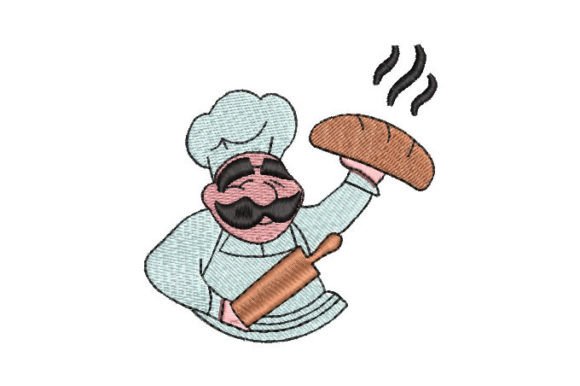
The immediate mood of the Chef with Bread Embroidery Design is warm, inviting, and distinctly domestic. It captures the essence of home baking without feeling overly cluttered. The layout balances the figure of the chef with the loaf of bread, creating a cohesive shape that reads well from a distance. This is vital for items like tote bag design applications or large sweatshirt embroidery placements where fine details can get lost.
The visual personality leans towards traditional comfort. It is not abstract or ultra-modern, which makes it a safe, reliable choice for broad audiences. For those in the House decor niche, this aesthetic fits seamlessly into farmhouse, rustic, or cozy cottage styles. The design avoids excessive complexity, which suggests a thoughtful approach to stitch density. Overly dense designs can pucker lightweight fabrics, so a balanced layout is always a positive initial sign for a versatile digital embroidery file.
Real-World Application: The Custom Apron Test
To truly evaluate any embroidery file, you must imagine it on a specific substrate. I visualized this design on a heavy cotton canvas apron, a staple item for any craft business specializing in culinary gifts. The theme is obviously aligned with cooking, but the execution matters. On a textured fabric like canvas, the design needs strong outlines to prevent the stitches from sinking into the weave.
In this scenario, the Chef with Bread Embroidery Design shines as a central focal point. It works exceptionally well for custom apparel intended for professional chefs, baking enthusiasts, or hosts who take pride in their kitchen presence. The scale appears appropriate for a chest pocket placement or a lower-center bib position. If you are creating a small shop product line, this versatility allows you to use the same asset across multiple items, from tea towels to pot holders, maximizing the value of your design assets.
Consider also its use in holiday embroidery projects. During the baking-heavy winter season, this motif becomes highly relevant. It transforms a standard kitchen towel into a thoughtful personalized gift for a hostess or a family member who loves to bake. The emotional connection buyers feel toward homemade goods is amplified when the design feels authentic and well-executed.
Technical Considerations and Stitch Behavior
While the aesthetic is appealing, we must discuss the technical realities. Without knowing the exact stitch count or specific file formats provided, we must assume a standard mix of satin stitch for borders and text, and fill stitch for larger areas like the chef’s hat or the bread crust. Satin stitches provide a shiny, professional finish but can be prone to snagging if they are too wide. Fill stitches add texture and durability but increase production time.
When working with this design, pay close attention to thread colors. The contrast between the chef’s uniform and the background fabric is critical. If you are stitching on a dark fabric, ensure the design includes enough light-colored threads to maintain visibility. Conversely, on white linen, darker outlines will define the shape. Always test the design on scrap fabric first. This step is non-negotiable for maintaining brand consistency and avoiding wasted materials.
Stabilizer choice is another key factor. For a design of this nature, likely intended for medium-weight fabrics, a cut-away stabilizer is often safer for garments that will be washed frequently, such as t-shirts or aprons. If you are using it on a woven tote bag, a tear-away might suffice, but always check the stability of the hoop area. Curved surfaces, like the front of a cap, require careful hooping to prevent distortion of the chef’s proportions.
Navigating Limitations and Fabric Choices
No design is perfect for every situation. The Chef with Bread Embroidery Design should be used carefully on stretchy fabrics like jersey knits unless you have significant experience with stabilizing these materials. Stretch can distort the circular elements of the bread or the curves of the chef’s figure. Similarly, very thin fabrics may show the backside stitching, which can look messy on a finished product meant for gifting.
If the design includes any small text or intricate details, verify the legibility at your intended size. Tiny lettering can become illegible if the hoop size is too small or if the thread tension is not perfectly calibrated. For baby embroidery or delicate items, ensure that the stitch density is not too high, as this can make the fabric stiff and uncomfortable against sensitive skin.
For commercial embroidery purposes, consistency is key. If you plan to sell this as part of a small shop product range, you must ensure that every unit looks identical. This means documenting your thread brands, needle sizes, and stabilizer types. Buyers trust Etsy sellers and boutique owners who deliver consistent quality. A puckered or misaligned design can damage your reputation faster than almost anything else.
Enhancing Product Value and Buyer Engagement
Ultimately, the goal of using a high-quality machine embroidery design is to increase the perceived value of your finished product. The Chef with Bread Embroidery Design contributes to this by offering a professional, polished look that elevates simple blanks. When customers see clean lines and balanced composition, they associate the item with higher craftsmanship.
This design supports printable mockup creation effectively. Because the shape is distinct, it photographs well for online listings. Clear, attractive images drive buyer engagement. Whether you are selling the physical item or the digital embroidery file itself, presentation matters. Show the design on various backgrounds to demonstrate its versatility. Highlight its suitability for kitchen signs, cooking aprons, and other House items to help customers visualize it in their own homes.
Final Designer Notes
Before integrating the Chef with Bread Embroidery Design into your workflow, take these practical steps:
- Check Licensing: Confirm whether the license allows for commercial use if you plan to sell finished items. This is critical for craft business legality.
- Test on Multiple Fabrics: Run test stitches on cotton, linen, and poly-blends to see how the fabric texture affects the outcome.
- Review Color Palettes: Create variations with different thread colors to offer customers customization options.
- Inspect Small Details: Zoom in on your software to check for potential jump stitches or overly dense areas that might need editing.
- Consider the End Use: If the item will be washed frequently, prioritize durability in your stitch settings and stabilizer choice.
In conclusion, this design offers a solid foundation for kitchen-themed Embroidery projects. It balances charm with practicality, making it a valuable addition to your library. By approaching it with a designer’s eye for detail and a business owner’s focus on quality, you can create products that resonate with customers and stand the test of time. Remember, the best designs are those that not only look good on screen but perform flawlessly under the needle.