Reviewing the Pink Poinsettia Pattern Paper
As a designer who spends more time staring at stitch simulations and fabric swatches than I care to admit, I have learned that not every pretty image translates into a successful embroidery project. When I first encountered the Pink Poinsettia Embroidery Pattern Paper from Anemona Estudio, my initial reaction was one of cautious curiosity. In our industry, we are constantly bombarded with digital assets, but few are designed with the specific constraints of textile art in mind. This is not just a static image; it is a resource intended to bridge the gap between digital Graphics and tangible, stitched reality.
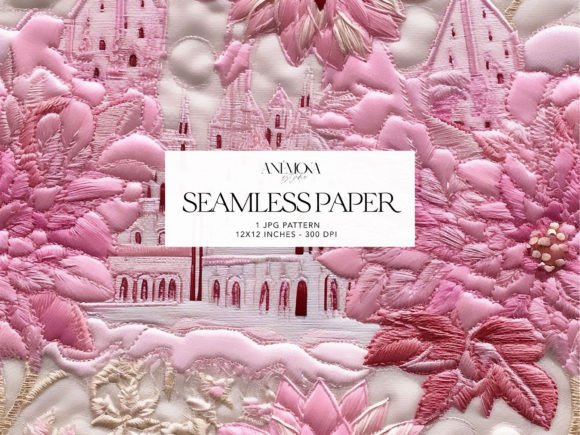
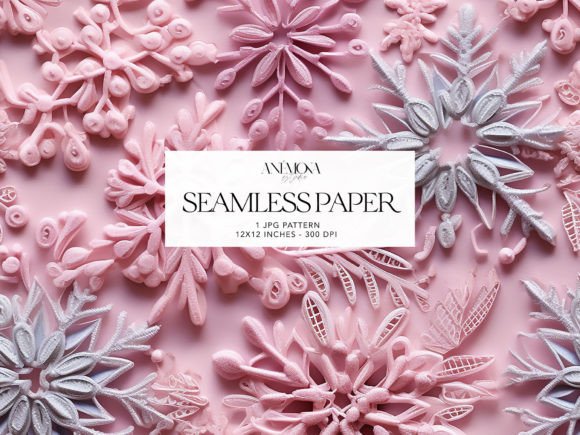
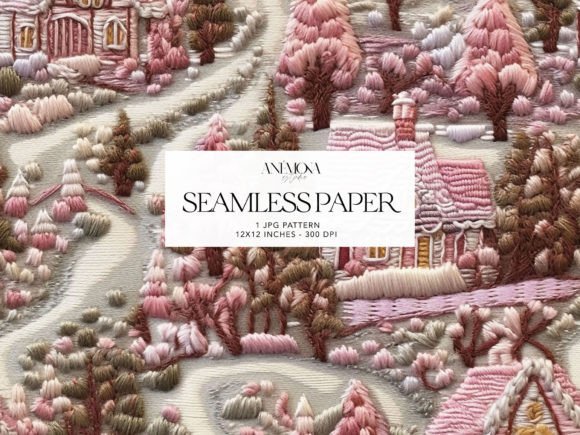
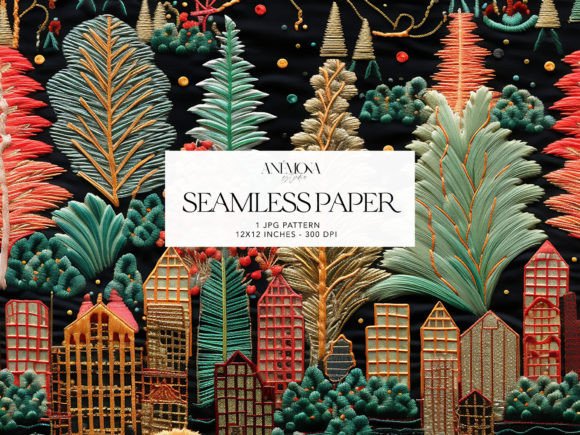
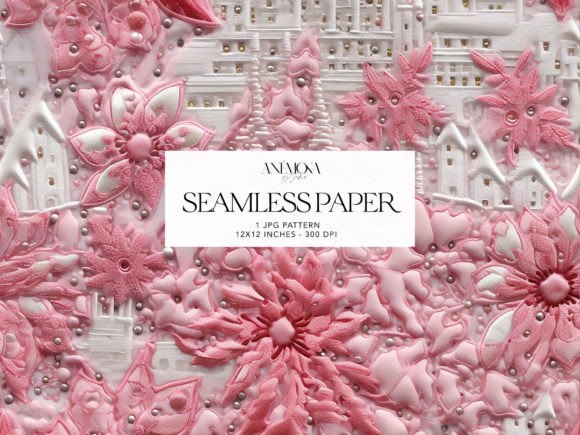
The product description states that you receive one faux embroidery digital paper in JPG format, rendered at 300 dpi in RGB, with a seamless 3600px resolution sized at 12″x12″. For those of us creating design assets for small shops or Etsy listings, this specification is crucial. It means the file is high-resolution enough to withstand close inspection in printable mockups without pixelating, yet it retains the aesthetic of handcrafted texture. But does it hold up when we move beyond the screen and into the hoop?
The Aesthetic Appeal and Mood
The first thing that strikes you about the Pink Poinsettia Embroidery Pattern Paper is its mood. Poinsettias are traditionally associated with bold reds and deep greens, typical of heavy holiday decor. However, this pink variation softens the narrative entirely. It feels contemporary, gentle, and surprisingly versatile. The "faux embroidery" effect is executed with enough visual fidelity to mimic the raise and sheen of real thread. The layout is balanced, avoiding the chaotic clutter that often plagues seamless Patterns.
For a designer, this visual personality suggests immediate applications. It does not scream "Christmas card" in the traditional sense. Instead, it whispers of boutique branding, winter baby showers, and sophisticated personalized gift items. The color palette is warm but muted, which is essential when considering how thread colors interact with various fabric backgrounds. A bright neon pink might clash with natural linen, but this softer hue complements it beautifully.
Real-World Application: The Tote Bag Test
To truly evaluate a design, I always imagine it on a physical product. Let’s consider a common scenario for many Etsy sellers and craft business owners: the custom tote bag. Canvas totes are ubiquitous, but they can look generic without unique branding. Using the Pink Poinsettia Embroidery Pattern Paper as a reference for a tote bag design, I visualized the pattern printed or stitched onto a natural cotton canvas.
Because the file is a seamless JPG, it serves perfectly as a background for digital mockups. If you are selling a handmade product online, your customer needs to see what the final item looks like before they buy. This high-resolution graphic allows you to create realistic previews of sweatshirt embroidery or pillow covers without needing to stitch every single prototype. The 300 dpi resolution ensures that when a customer zooms in on your product listing, they see crisp details, not blurry artifacts. This builds trust and increases the perceived value of your small shop product.
If you were to use this as a direct reference for actual stitching, perhaps creating an all-over print effect via appliqué or dense fill stitches, the seamless nature of the design is a major advantage. It allows for continuous patterning on larger items like blanket throws or apron fronts. The visual flow of the poinsettias prevents the eye from catching on awkward breaks or repetitive tiles, a common pitfall in lower-quality digital embroidery file resources.
Navigating Fabric and Stitch Constraints
While the visual appeal is strong, practical application requires caution. As an experienced reviewer, I must point out where this design demands careful handling. The "faux embroidery" look relies on simulated shadows and highlights. If you are translating this into actual machine work, you must consider stitch density. Poinsettias have broad petals. If you attempt to replicate the solid look of the graphic using only fill stitch on a lightweight fabric, you risk puckering.
This is where the choice of stabilizer becomes non-negotiable. For a project like a baby embroidery item, such as a onesie or a soft blanket, you need a stabilizer that supports the weight of the thread without making the garment stiff. On stretchy fabrics like jersey for t-shirts, the design’s integrity could suffer if the hoop tension is not perfectly calibrated. The seamless pattern works best on stable woven fabrics like cotton, linen, or canvas, where the structure of the cloth can support the visual weight of the floral motifs.
Furthermore, consider the hoop size. While the digital paper is 12″x12″, most home embroidery machines have smaller maximum hoop sizes. You would need to break the seamless pattern into manageable sections for actual stitching. This is not a drawback, but a logistical step that commercial embroidery professionals plan for in advance. For curved surfaces like caps, the large scale of the poinsettias might need to be reduced significantly, which could cause the finer details of the faux-stitch texture to merge together. Always test on scrap fabric first.
Commercial Viability and Brand Consistency
For the creative entrepreneur, consistency is key. The Pink Poinsettia Embroidery Pattern Paper offers a cohesive look that can define a brand’s seasonal collection. Whether you are designing holiday embroidery for kitchen towels or creating custom apparel for a boutique, this graphic provides a unified theme. It avoids the kitsch often associated with holiday designs, leaning instead into a modern, artisanal aesthetic.
When used in printable mockup creation, this asset saves hours of photography time. You can overlay this pattern onto various product templates to show customers how a pillow cover or tea towel would look in their home. This versatility extends its value beyond just a reference for stitching. It becomes a core part of your marketing toolkit. However, always verify the licensing terms provided by Anemona Estudio. While it is perfect for illustrations and designs, confirming whether it can be used for direct resale as a digital file or only for finished physical goods is a critical step for any craft business.
Final Designer Notes
Before committing to a large production run or a client project involving the Pink Poinsettia Embroidery Pattern Paper, keep these practical tips in mind:
- Test Thread Contrast: The pink hue is subtle. Ensure your chosen thread colors stand out against your fabric. A dark navy or charcoal fabric might make the pink pop, while a white fabric might require a slightly darker shade of pink for visibility.
- Check Detail Clarity: If scaling down for small items like embroidered patches or baby clothes, ensure the intricate "stitch" details of the graphic do not become muddy. Simplify if necessary.
- Mockup in Black and White: Convert the image to grayscale to check the value contrast. This helps you understand how the design will read from a distance, which is vital for apparel decorators.
- Verify File Usage: Remember, this is a JPG graphic, not a vector or a native machine file like PES or DST. It is ideal for visualization, sublimation printing references, or manual digitizing guides, but it is not a plug-and-play machine embroidery design file.
In conclusion, the Pink Poinsettia Embroidery Pattern Paper is a thoughtful addition to a designer’s library. It bridges the gap between digital convenience and tactile beauty. For the maker who values presentation and professionalism, this asset offers a reliable foundation for creating stunning, market-ready products. It invites you to slow down, consider your materials, and create something that feels both modern and timeless.