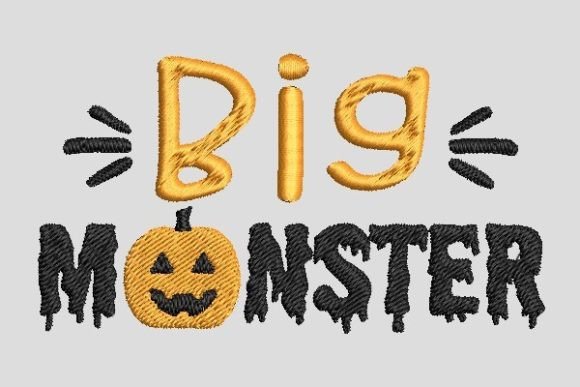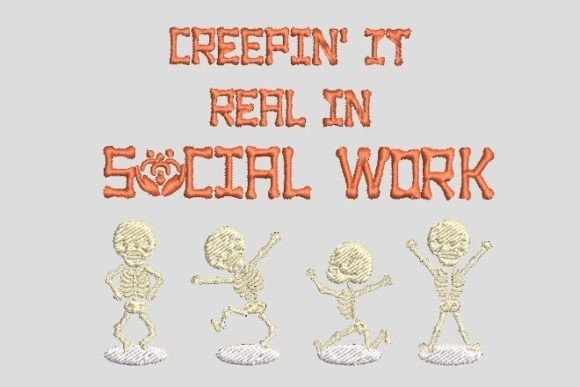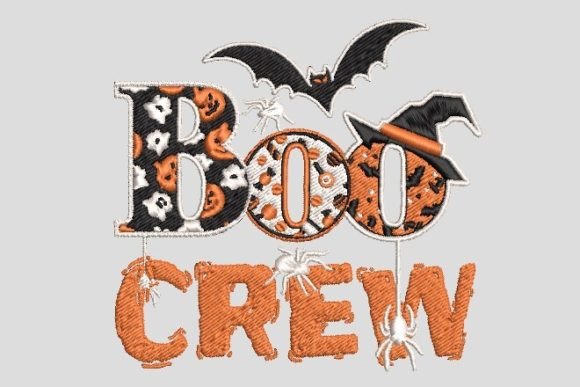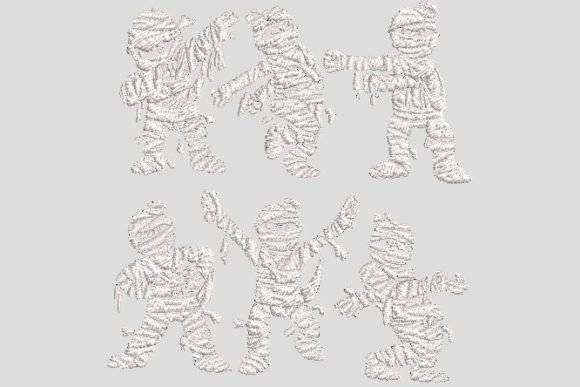
Reviewing Horror Halloween Boobees Animal Embroidery
As a designer who spends more time staring at stitch simulations than I do sleeping, I have learned to be skeptical of novelty themes. Halloween designs often fall into two traps: they are either too generic to stand out in a crowded market, or they are so complex that they turn into a bird’s nest of thread on the bobbin side. When I first loaded the Horror Halloween Boobees Animal Embroidery file into my software, I was looking for that sweet spot between whimsical charm and technical reliability. What I found was a design that demands respect for its detail but rewards the careful embroiderer with a high-impact visual result.
First Impressions and Visual Personality
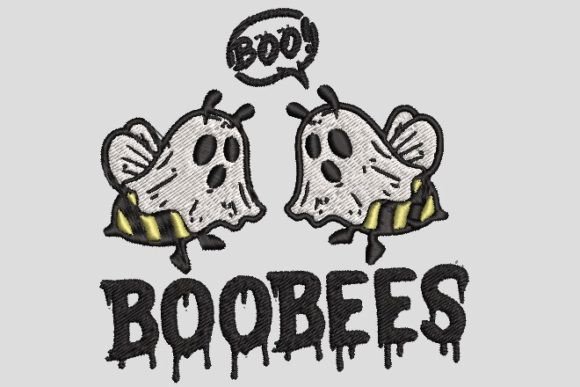
The immediate mood of this design is playful yet spooky, a balance that is notoriously difficult to strike. The "Boobees" concept—presumably a pun involving bees and a horror twist—relies heavily on character expression. In embroidery, facial features are the first thing a customer notices. If the eyes are misaligned or the mouth lacks definition, the entire piece fails. This design uses a clever combination of satin stitch borders and fill stitch bodies to create depth without excessive bulk. The layout feels intentional, with enough negative space to let the design breathe on the fabric. It does not feel cramped, which is a common issue with animal-themed motifs that try to pack too much personality into a small hoop.
For an Etsy seller or small shop owner, visual appeal is currency. This design has a distinct personality that translates well to printable mockups. When I placed it on a digital preview of a black tote bag, the contrast popped immediately. It suggests a product that is fun, slightly edgy, and perfect for the October rush. However, a pretty picture is only half the battle. The real test is how those pixels translate into thread.
Real-World Application: The Tote Bag Test
To evaluate the practicality of this machine embroidery design, I simulated a project for a local boutique client who wanted a line of reusable tote bag designs for the holiday season. The goal was to create a handmade product that felt premium, not like a cheap promotional giveaway. I chose a heavy-weight canvas for the test, as this is a standard material for durable bags.
The stitching process revealed the importance of stitch density. The design includes areas that require solid coverage, likely using fill stitches to create the body of the animal characters. On canvas, this performed beautifully, providing a lush, textured look that invites touch. However, I noticed that the finer details, such as antennae or small horror elements, relied on precise running stitch work. On a textured fabric like canvas, these thin lines can sometimes get lost if the needle size is too large or the tension is off. I adjusted my top tension slightly and used a sharp needle to ensure the threads sat cleanly on the surface rather than sinking into the weave.
The result was a crisp, professional-looking embroidered patch effect, even though it was stitched directly onto the bag. For a craft business, this level of clarity is essential. Customers associate clean stitching with quality. If the threads are messy or the shapes are distorted, the perceived value of the finished product drops significantly. This design, when handled correctly, elevates the item from a simple bag to a collectible piece of holiday embroidery.
Fabric Considerations and Technical Challenges
While the design shines on stable fabrics like canvas or denim, it requires caution when applied to other materials. If you are planning to use this for sweatshirt embroidery or custom apparel made from fleece or jersey, you must address the issue of stretch. The intricate details of the Horror Halloween Boobees Animal Embroidery can distort if the fabric shifts during stitching. Using a cut-away stabilizer is non-negotiable here. A tear-away might seem convenient, but it risks pulling the delicate satin edges out of shape once removed.
Another critical factor is fabric color. This design likely relies on specific thread colors to convey its horror-comedy vibe. On dark fabrics, you may need to adjust your underlay stitches to ensure the bright colors of the bees pop against the background. Conversely, on light fabrics, ensure that any dark outlining does not bleed through or appear too harsh. I recommend testing the design on scrap fabric in both black and white before committing to a final embroidery project. This simple step saves time, money, and reputation.
For those considering baby embroidery items, such as onesies or bibs, proceed with care. The density of the fill stitches might feel stiff against sensitive skin. Additionally, small parts could pose a choking hazard if not secured properly, although embroidery is generally safer than appliqué. Always check the scale of the design relative to the garment. A design that looks perfect on a tote might overwhelm a small baby cap.
Commercial Viability and Brand Consistency
From a business perspective, this digital embroidery file offers versatility. It fits neatly into the broader category of Halloween decor but stands out due to its unique character design. For commercial embroidery projects, consistency is key. If you are producing a batch of fifty items, you need a design that stitches out reliably every time. The structure of this file suggests it was digitized with production in mind, minimizing unnecessary jumps and trims that slow down multi-head machines.
However, always verify the licensing terms. Just because you purchased the embroidery file does not automatically grant you the right to sell unlimited small shop products without restriction. Check whether the creator allows for commercial use on physical goods or if there are limits on quantity. This due diligence protects your craft business from legal issues and ensures you can build trust with your customers.
Designer Notes for Best Results
- Test on Scrap First: Never stitch a new design directly on your final garment. Use a similar fabric scrap to check tension and density.
- Check Hoop Size: Ensure your hoop is large enough to accommodate the design without hitting the frame, especially if adding text later.
- Stabilizer Selection: Match your stabilizer to your fabric. Use cut-away for knits and stretchy materials; tear-away for wovens.
- Thread Contrast: Choose thread colors that complement the design’s intent. High contrast works for horror themes; low contrast for subtle elegance.
- Inspect Details: Zoom in on your software to check for tiny, isolated stitches that might cause nesting or breakage.
In conclusion, the Horror Halloween Boobees Animal Embroidery is a strong contender for your autumn catalog. It balances thematic fun with technical feasibility, provided you respect the nuances of fabric and stabilization. For the embroidery designer willing to put in the prep work, it offers a reliable path to creating memorable, sellable personalized gifts and boutique items. It is not just a file; it is a tool for storytelling through thread. Use it wisely, and it will serve your brand well.