Review: The Entire Cat Population Embroidery Cat
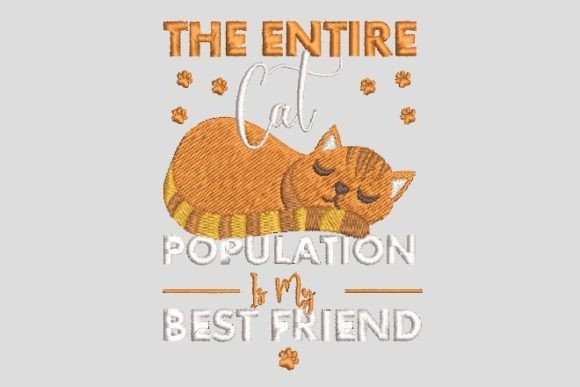
As an embroidery designer who has spent years digitizing and testing files for commercial use, I approach every new machine embroidery design with a critical eye. It is not just about whether the image looks cute on a screen; it is about how that design translates to fabric, how it holds up in the wash, and most importantly, how it serves the brand identity of the small business owner using it. Recently, I reviewed The Entire Cat Population Embroidery Cat, a piece categorized under Animal Quotes and Embroidery, to determine its viability for professional merchandise.
This review is written specifically for small business owners, Etsy sellers, apparel decorators, and crafters who are considering adding this sleepy feline motif to their product lines. Whether you run a boutique café, a pet supply shop, or a handmade goods studio, understanding the technical and aesthetic nuances of this design is crucial before you commit to production.
First Impressions: Visual Personality and Brand Fit
The first thing that strikes you about The Entire Cat Population Embroidery Cat is its inherent charm. The description highlights a "sleepy cat," which immediately sets a tone that is relaxed, friendly, and approachable. In the world of branding, this is a powerful asset. It does not scream for attention with aggressive boldness; rather, it invites engagement through warmth and whimsy.
For businesses aiming for a premium yet playful aesthetic, this design fits seamlessly. It feels handmade and decorative, avoiding the sterile look of corporate logos. If your brand identity revolves around comfort, home, pets, or self-care, this design aligns perfectly. It is not rustic in a rough sense, nor is it strictly modern or minimalist. Instead, it occupies a sweet spot of classic illustration that appeals to a broad demographic. This versatility makes it an excellent candidate for diverse design assets within a cohesive brand kit.
Real-World Applications for Small Business Merch
The true test of any digital embroidery file is its application. Based on my analysis, here is how The Entire Cat Population Embroidery Cat performs across various commercial embroidery projects:
- Embroidered Patches: This is perhaps the strongest use case. A sleepy cat makes for an adorable iron-on or sew-on patch. Patches allow customers to customize their own jackets or bags, increasing the perceived value of the handmade product. Ensure you check the recommended hoop size to maximize detail without overcrowding the patch border.
- Apparel and Uniforms: For cafés, bakeries, or pet boutiques, this design works beautifully as a chest logo accent on staff uniforms. It softens the professional look of an apron or polo shirt, making staff appear more approachable. Apron embroidery featuring this cat can become a signature look for your business, enhancing customer trust through consistent visual branding.
- Tote Bags and Home Decor: The description explicitly mentions tote bags and pillowcases. These are high-margin items for Etsy sellers. A tote bag design featuring this cat appeals to the "cat lover" demographic who value both utility and expression. The design’s likely moderate complexity ensures it stitches out cleanly on canvas or cotton blends.
- Cap Embroidery: While possible, cap embroidery requires careful placement. The curved surface of a cap can distort detailed designs. If you choose this route, place the cat on the side panel or the back strap rather than the front center, unless the design is simplified for smaller dimensions.
Technical Considerations and Potential Pitfalls
While the aesthetic appeal is high, there are technical factors that every embroidery shop must consider before running a bulk order. Ignoring these can lead to wasted thread, ruined garments, and unhappy clients.
Stitch Density and Fabric Texture: Sleepy cat designs often involve soft curves and potentially dense fill areas to create the illusion of fur or shading. High stitch density can cause puckering on lightweight fabrics like thin t-shirts or silk-blend pillowcases. Always test the design on the specific fabric you intend to use. If the fabric is delicate, consider using a cut-away stabilizer to provide long-term support, especially for items that will undergo frequent washing.
Small Scale Legibility: If you plan to use this as a small label or a tiny chest emblem, you must verify if the details hold up. Tiny lettering or intricate outlines can merge into a blob if scaled down too far. I recommend stitching a test sample at your intended minimum size. If the eyes or whiskers lose definition, you may need to simplify the design or increase the size.
Thread Color Contrast: The success of this design relies heavily on thread colors. A sleepy cat might use subtle shades of gray, cream, or pastel tones. On dark uniforms or black tote bags, these colors may not pop. You might need to adjust the color palette for contrast, perhaps adding a white outline or background shape to ensure the cat stands out against dark fabric texture.
Enhancing Brand Identity and Customer Engagement
Incorporating The Entire Cat Population Embroidery Cat into your small business merch strategy does more than just decorate a product; it builds brand recognition. Consistent use of this character across your custom apparel, packaging accents, and social media creates a visual language that customers associate with your brand.
For example, a local florist could use this cat on their delivery aprons and include a small embroidered patch with every bouquet as a gift. This unexpected touch of personality increases buyer engagement and encourages social sharing. When customers see a cohesive, professional, yet playful design, it signals quality and attention to detail. It transforms a simple transaction into an emotional connection, which is the cornerstone of successful handmade brands.
Practical Designer Notes for Production
Before you purchase the embroidery file and start stitching, follow these practical steps to ensure a smooth production process:
- Test in Black and White: Before committing to colorful threads, stitch the design in black thread on white fabric. This helps you evaluate the clarity of the outlines and the balance of positive and negative space without the distraction of color.
- Verify Commercial Licensing: Always confirm the license terms included with the digital embroidery file. Ensure you have the right to use the design for commercial purposes, especially if you are selling the finished product or the patches themselves.
- Create a Printable Mockup: Use digital tools to place the design on photos of your actual products. A printable mockup helps you visualize scale and placement, allowing you to get client approval or make internal decisions before wasting materials.
- Check Hoop Size Compatibility: Confirm that the design fits within your machine’s standard hoop sizes. If it requires a large hoop, calculate if this impacts your production efficiency or material costs.
- Compare with Existing Assets: Place this design beside your other design assets. Does it complement your current logo and typography? Visual consistency is key to a professional brand presentation.
In conclusion, The Entire Cat Population Embroidery Cat is a versatile and charming addition to any embroidery designer’s library. It offers significant potential for enhancing brand identity and creating engaging small business merch. However, its success depends on thoughtful application, technical testing, and strategic placement. By respecting the limitations of fabric and stitch density, and by leveraging the design’s playful nature, you can create products that not only look great but also resonate deeply with your customers.