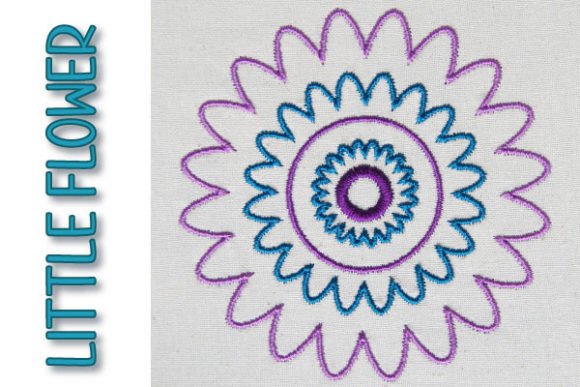
Review: Little Flower Embroidery File for Craft Fairs
As an embroidery designer who has spent countless weekends behind a booth table, I know that the difference between a browsing customer and a buying customer often comes down to visual impact. When I first loaded the Little Flower Embroidery File onto my machine, I was looking for more than just pretty stitches; I was looking for a reliable craft fair product that could carry a line of goods. This design, categorized under Single Flowers, promises elegance through intricate satin stitches, but does it hold up in the real world of handmade retail? Here is my professional assessment of how this embroidery file performs when turned into tangible goods.
First Impressions and Aesthetic Appeal
The immediate vibe of the Little Flower Embroidery File is one of refined simplicity. It does not scream for attention with neon colors or chaotic shapes; instead, it whispers sophistication. The description highlights "intricate satin stitches," and in practice, this translates to a smooth, glossy finish that catches the light beautifully. For a small shop product, this is crucial. It feels premium rather than mass-produced. The aesthetic leans towards elegant and decorative, making it versatile enough for modern minimalist buyers as well as those who appreciate traditional floral motifs. It is not overly rustic or farmhouse-heavy, which allows it to fit into a wider range of boutique styles.
Product Versatility for Market Sellers
The true test of any digital embroidery file is its adaptability. I evaluated where this design would stand out on a typical craft fair table. Here is how it performs across various items:
- Tote Bags: This is arguably the strongest application. As a tote bag design, the flower acts as a perfect focal point. Placed centrally or slightly off-center on a canvas tote, it elevates a basic bag into a desirable accessory. The satin stitch provides enough texture to be felt, adding tactile value.
- Aprons and Tea Towels: For kitchenware, the apron embroidery potential is high. A single flower on the bib of an apron looks professional and clean. Similarly, tea towel embroidery benefits from the design’s balance. However, you must be mindful of the fabric texture. Terry cloth can swallow small details, so this design works best on flat-woven linen or cotton towels.
- Caps and Patches: Using this as an embroidered patch is a smart move for batch production. You can hoop stabilizer alone, stitch out multiple flowers, cut them out, and sell them as iron-on or sew-on patches. On curved cap surfaces, ensure the design is not too wide, or it may distort. The Little Flower Embroidery File seems compact enough to handle mild curvature without significant puckering.
- Pillow Covers and Pouches: For home decor, this design adds a touch of nature without overwhelming the space. It works well as a corner accent on pillow covers or as a central motif on small fabric pouches.
Production Practicality and Batch Selling
For Etsy sellers and craft fair veterans, time is money. The Little Flower Embroidery File appears to be designed for efficiency. Satin stitches, while dense, cover area quickly compared to fill stitches. This means faster run times per unit, allowing for higher volume production before a market weekend. The design is easy to understand at a glance, which is vital for booth displays. Customers walking by need to instantly recognize the quality. The clarity of the floral motif ensures it photographs well for online listings, creating attractive printable mockup opportunities for your digital storefront.
However, there are careful-use notes to consider. Satin stitches can be prone to snagging if the stitch density is too high or if the thread tension is off. Before committing to a large batch of finished product inventory, you must test the design on scrap fabric identical to your final material. Check your thread colors carefully. A high-contrast thread on dark fabric might look striking, but ensure the underlying fabric does not show through the stitches. If using dark fabric, consider using a matching underlay or bobbin thread to maintain a clean back and front.
Technical Considerations for Designers
While the design is labeled as exquisite, technical execution is key. Here are my practical notes for ensuring the best results with this machine embroidery design:
- Hoop Size and Placement: Confirm the required hoop size before purchasing. While likely small, knowing the exact dimensions helps you plan your layout on larger items like tote bags. Ensure you have enough margin from the edges of the fabric to avoid hoop burns.
- Stabilizer Selection: Because satin stitches pull on the fabric, using the right stabilizer is non-negotiable. For woven fabrics like cotton or linen, a cut-away stabilizer provides long-term durability, especially for items like tote bags that will bear weight. For stretchy knits, use a tear-away with a topping if necessary, though this design is best suited for stable wovens.
- Detail Clarity: Intricate satin stitches can lose definition if scaled down too far. Do not attempt to shrink this design beyond its recommended limits. Tiny details may merge, turning a delicate flower into a blob. Always stitch a test sample at 100% size first.
- Commercial Licensing: Before selling any commercial embroidery products, verify the license terms included with the design assets. Most designers allow physical sales but restrict sharing the digital file itself. Ensure you are compliant to protect your business.
Boosting Brand Consistency and Sales
Incorporating the Little Flower Embroidery File into your lineup can significantly enhance your brand consistency. If your shop focuses on elegant, nature-inspired goods, this design reinforces that identity. It adds perceived value to simple textiles, allowing you to price your handmade product higher than unadorned equivalents. The visual appeal draws the eye, increasing buyer engagement at your booth. When customers see the precision of the satin stitches up close, they associate that quality with your entire brand.
Furthermore, this design serves as an excellent entry point for new customers. It is approachable and universally liked. Once a customer buys a tote with this flower, they may return for other items in your collection. It acts as a gateway product. For online sellers, use this design in your main listing photos. The contrast of the glossy thread against matte fabric creates depth in photographs, making your Etsy seller profile look professional and curated.
Final Verdict for Craft Entrepreneurs
The Little Flower Embroidery File is a strong contender for any embroidery business owner looking to expand their Single Flowers category. It balances aesthetic elegance with production practicality. It is not just a decorative element; it is a strategic tool for creating high-margin, visually appealing goods. Whether you are stitching apron embroidery for holiday gifts or creating a line of everyday tote bags, this design offers the versatility and polish needed to succeed in competitive markets. Remember to test, stabilize, and license correctly, and this little flower could become a big seller for your shop.