Review: Embroidery Parrot Pen Wraps Sublimation
As an embroidery designer who has spent years digitizing for small businesses, I know that the difference between a hobbyist project and a professional brand asset often comes down to file quality and visual impact. Recently, I reviewed Embroidery Parrot Pen Wraps Sublimation, a digital asset positioned within the Crafts and Graphics categories. My goal was not just to admire the aesthetics, but to evaluate its viability for real-world commercial applications. Can this design hold up on a staff uniform? Will it look crisp on a custom tote bag? Does it enhance brand identity or distract from it? Here is my professional breakdown of how this design performs in a business context.
First Impressions: Visual Personality and Professionalism
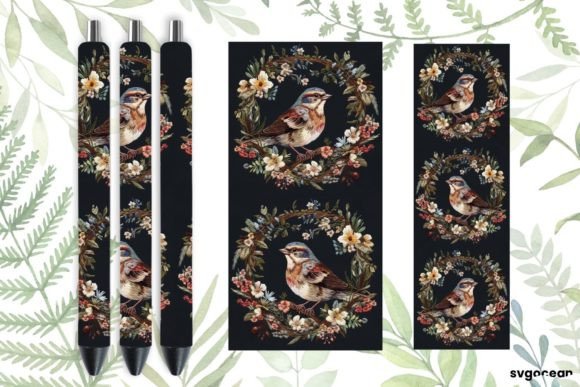
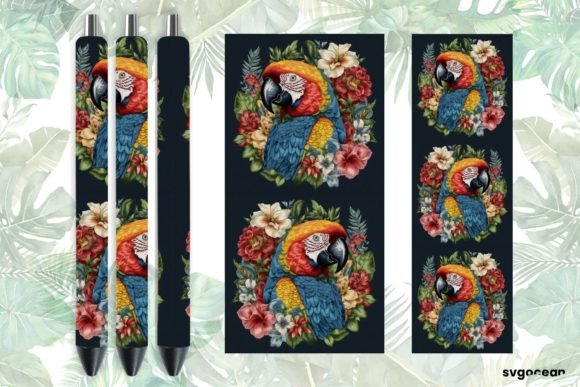
The first thing I noticed about Embroidery Parrot Pen Wraps Sublimation is its vibrant, playful energy. The parrot motif suggests a brand personality that is friendly, approachable, and creative. For businesses like boutique coffee shops, florists, pet brands, or creative studios, this visual tone is invaluable. It does not scream "corporate stiffness"; instead, it invites engagement. However, professionalism in embroidery is not just about the image; it is about execution. The provided files include high-resolution PNGs (450x1425 px and 750x1500 px at 300 DPI), which are excellent for creating printable mockups. These assets allow you to show clients exactly how the design will look on various fabrics before a single stitch is made. This level of presentation is crucial for maintaining trust with high-end buyers.
Real-World Applications for Small Business Merch
When I consider Embroidery Parrot Pen Wraps Sublimation for small business merch, several immediate use cases come to mind. The versatility of the parrot theme allows it to bridge the gap between functional workwear and customer-facing products.
- Staff Uniforms and Aprons: For a bakery or café, embroidering this design on the chest pocket of an apron adds a touch of whimsy without being overwhelming. It serves as a subtle brand marker that customers notice during interactions.
- Custom Apparel and Caps: On a baseball cap, this design could work beautifully as a side-panel accent or a front-center logo if scaled correctly. Cap embroidery requires precision, so the clarity of the source graphics is essential for proper digitizing.
- Tote Bag Design: Canvas tote bags are a staple for handmade product sellers. A large-scale version of this parrot design can turn a simple bag into a statement piece, increasing the perceived value of the finished product.
- Branded Patches: One of the most profitable avenues for this design is creating embroidered patches. Patches can be sewn onto denim jackets, backpacks, or hats, offering customers a customizable way to engage with your brand.
By integrating Embroidery Parrot Pen Wraps Sublimation into these items, you are not just selling a product; you are selling an experience. The design acts as a visual anchor for your brand identity, making your business memorable in a crowded market.
Technical Considerations for Commercial Embroidery
While the visual appeal is strong, any experienced embroiderer knows that technical execution is where projects succeed or fail. Since this product is listed under Graphics and includes PNG files rather than native machine embroidery formats like PES or DST, there are critical steps you must take before production.
Digitizing is Key: You cannot simply print a PNG onto fabric and call it embroidery. You must use these high-resolution PNGs as references to create a proper machine embroidery design. If you are not a digitizer yourself, hire a professional. Pay close attention to stitch density. Parrots often have intricate feather details; if the stitch density is too high, the fabric may pucker. If it is too low, the design may look sparse and unprofessional. Always test on the actual fabric texture you intend to use. A smooth cotton polo behaves differently than a textured canvas tote.
Stabilizer Selection: The choice of stabilizer can make or break the final look. For lightweight fabrics like t-shirts, a cut-away stabilizer is often necessary to support the weight of the stitches. For heavier materials like denim or canvas used in tote bags, a tear-away might suffice, but testing is non-negotiable. I always recommend creating a test sample to check for registration issues, especially if the design involves multiple thread colors.
Where to Use Caution
Not every surface is suitable for every design. When using Embroidery Parrot Pen Wraps Sublimation, be mindful of scale. If you attempt to shrink this design too much for a tiny label or a small patch, the fine details of the parrot’s feathers may merge into a blob of thread. In such cases, simplify the design or increase the size. Additionally, be cautious with dark uniforms. If the parrot features light or bright colors, ensure you have a high-quality underlay or consider using a white base layer to prevent the garment color from bleeding through and dulling the vibrancy of the thread colors.
Curved surfaces, such as the front of a cap, require careful hooping. Ensure your hoop size is appropriate for the design dimensions. If the design is wider than your standard cap frame, you may need to resize it, which again brings us back to the importance of checking legibility at smaller sizes.
Enhancing Brand Identity and Customer Trust
Consistency is the cornerstone of brand identity. Using a distinct visual element like the parrot from Embroidery Parrot Pen Wraps Sublimation across various touchpoints—aprons, packaging, social media mockups, and merchandise—creates a cohesive brand story. When customers see the same high-quality embroidery on their tote bag as they saw on your website’s printable mockup, it builds trust. It signals that you pay attention to detail and care about the quality of your handmade product.
Furthermore, unique design assets set you apart from competitors who rely on generic clip art. By investing time in properly digitizing and applying this design, you elevate your commercial embroidery offerings from commodity items to premium branded goods. This perception of quality allows for higher price points and greater customer loyalty.
Practical Designer Notes for Implementation
Before you launch this design into your product line, follow these practical steps:
- Check Licensing: The product description mentions a ZIP file with PNGs. Confirm the commercial licensing terms explicitly. Ensure you have the right to use the graphic for physical goods sold for profit.
- Create Mockups: Use the provided 300 DPI PNGs to create realistic digital mockups. Show the design on black, white, and colored fabrics to assess contrast.
- Test Stitch Out: Digitize the design and run a test on scrap fabric identical to your production material. Check for thread breaks, tension issues, and overall aesthetic balance.
- Evaluate Thread Colors: Match your thread chart to the PNG colors closely. If the parrot has subtle gradients, decide whether to use variegated thread or solid colors for a cleaner, more modern look.
- Consider Fabric Texture: Remember that textured fabrics can obscure fine details. If stitching on terrycloth or heavy canvas, simplify the inner details of the parrot.
In conclusion, Embroidery Parrot Pen Wraps Sublimation is a promising asset for small business owners and embroidery professionals. Its playful nature fits well with lifestyle brands, cafes, and creative studios. However, its success depends entirely on proper digitizing and thoughtful application. By treating the PNG files as a reference for high-quality machine embroidery design, you can transform this graphic into a powerful tool for brand recognition. Whether used on an apron, a cap, or a tote bag, this design has the potential to add significant value to your small business merch, provided you respect the technical constraints of embroidery production. Always prioritize quality control, test thoroughly, and let the design serve your broader brand identity goals.